Fine Lines Gone Naturally

Ethan Sullivan
| 08-06-2026
 · Fashion Team
Hi, Lykkers!
Let's have a little heart-to-heart about something that a lot of us quietly wonder about but rarely talk about openly: how to take better care of our skin as it changes with time.
Looking in the mirror and noticing new fine lines or a little less bounce in your complexion can feel surprising, even a bit unsettling. But here is the thing: taking care of aging skin does not have to feel overwhelming or expensive. It just takes knowing the right ingredients and giving them a little time to work.
Why Skin Changes As We Age
The skin barrier works like a shield to lock in moisture and protect against irritants. With age, this barrier weakens and struggles to repair itself. As a result, the skin becomes drier, more sensitive, and rougher in texture, making fine lines and other signs of aging more visible. That is completely natural, and the good news is that science has given us some amazing ingredients that can genuinely help.
Craving vacation vibes at home?! Pineapple scents make every shower feel special!
Which formulas make self-care feel extra rewarding?! These are at the top of the list!
Sweet tropical scents in every step?! This routine makes shower time feel extra enjoyable!
Which SPFs have been in my daily rotation?! A few stand out every single time!
Your skin is quietly telling you it's thirsty. Here's why keeping it hydrated changes everything.
Dark circles, blemishes, long days? I always know which one to grab!
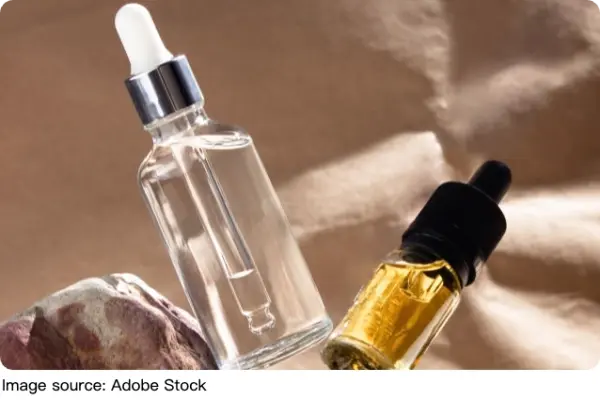
Retinol: The Gold Standard
Retinoids boost collagen and speed up cell turnover. They reduce fine lines, smooth skin texture, and fade dark spots. Start with a gentle retinol cream and use it at night to avoid irritation. If your skin feels a little sensitive at first, do not panic. Start with a low strength and use it two to three nights a week, and slowly increase as your skin adjusts. Patience here really pays off.
Vitamin C: Your Morning Shield
Vitamin C is a powerful antioxidant and it helps stimulate collagen production, both of which help your skin fight off signs of aging. By counteracting free radicals, vitamin C helps to brighten and soften your skin and reduce fine lines and wrinkles. Apply it in the morning before sunscreen for the best protection. And if you want it to work even harder, vitamin C works best when combined with other ingredients, such as vitamin E and hyaluronic acid, in a serum. One more tip: it can lose its strength when exposed to light, heat, or air, so keep vitamin C products in a cool, dark place and close the container tightly after use.
Hyaluronic Acid: Deep, Lasting Hydration
Hyaluronic acid is a naturally occurring molecule in the skin that helps attract and hold water. Unlike exfoliating acids, it does not resurface the skin. Its role in anti-aging skincare is simple and specific: supporting hydration at the skin's surface to improve the appearance of fine lines caused by dryness. Apply a hyaluronic acid serum before your moisturizer. It pulls water into your skin and makes it look plump and smooth. Hydrated skin shows fewer wrinkles. Think of it as a big, refreshing drink of water for your face.
Niacinamide: The Gentle Multitasker
Niacinamide strengthens the skin barrier, smooths fine lines, and reduces redness. It also controls oil and improves uneven skin tone. You can safely pair it with most other active ingredients. It is designed to target the tell-tale signs of aged skin, like hyperpigmentation, dark spots, and other types of discoloration. This one is a true team player in any skincare routine.
Peptides: Quiet Collagen Supporters
Peptides support collagen production, while niacinamide improves skin texture and reduces dark spots. Both work well in moisturizers or serums. Your body naturally produces less collagen as you age, which contributes to crepey, saggy, and wrinkled skin, so giving it a little extra support through peptides is a wonderfully caring thing to do for yourself.
Sunscreen: The Non-Negotiable Step
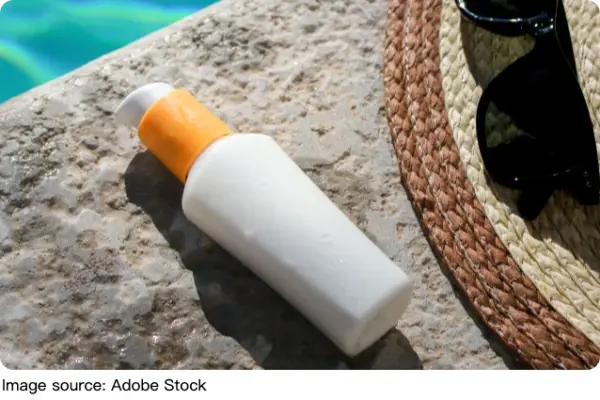
Sunscreen is the most important anti-aging product. It protects your skin from UV rays, which cause up to 80% of visible aging. Apply it every morning, even on cloudy days, and reapply when outdoors. Even sun that shines through a window can speed up skin aging, so use sun protection on exposed skin every day, all year round.
How Long Before You See Results?
Hydration and brightness may improve within weeks, while changes in texture, tone, and fine lines typically take several months of consistent use. Many products need to be used once or twice a day for up to six weeks before you notice a difference. If you stop using them, your skin will likely go back to how it looked before. So stick with it, love your routine, and trust the process.
Here is the warmest reminder to close with: caring for your skin is truly an act of self-love. You do not need a cabinet full of products. You just need the right ones, used consistently. Start with one or two ingredients that speak to your skin's needs, build gently from there, and celebrate every little glow you notice along the way. You deserve to feel great in your skin at every age, and now you have the knowledge to make that happen!