Mastering Western Sauces

Liam Reilly
| 10-06-2026
 · Food Team
A perfectly paired sauce can turn a simple dish into a memorable dining experience.
Sauces are more than just condiments—they balance flavors, add depth, and enhance the presentation of your meal.
With a few basic techniques, you can create a variety of Western-style sauces that impress without requiring hours in the kitchen.
Understanding the Basics
Before diving into recipes, it's important to understand the building blocks of sauces.
Stocks and Broths
Vegetable, chicken, or fish stock serves as the flavor foundation. A rich, well-seasoned stock will lift any sauce.
Thickeners
Flour, cornstarch, or roux can give your sauce body. For example, whisking a little flour into melted butter creates a roux that thickens milk-based sauces.
Simple grilling tricks that turn basic meals into outdoor highlights
Can Crispy Flautas Stay Crunchy After Sauce?
Lykkers, this colorful spring tart is the perfect sunny-day treat you’ll keep coming back to.
Why Filipino Homes Are Embracing Food Spreads Every Day
Can crispy flautas stay crunchy after being covered in warm sauce?
Can a pita really stay together, or is it meant to fall apart deliciously?
Acid and Seasoning
Vinegar, lemon juice, or juice from fresh fruits balances richness, while herbs and spices enhance depth. Example: A squeeze of lemon brightens a creamy garlic sauce.

Classic Cream-Based Sauces
Cream sauces are versatile, pairing well with pasta, vegetables, or protein.
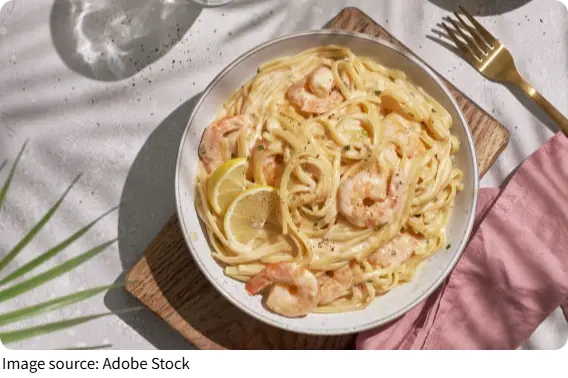
Alfredo-Style Sauce
Melt butter, add cream, and stir in grated Parmesan until smooth. Finish with black pepper and a pinch of nutmeg.
Mushroom Cream Sauce
Sauté mushrooms in butter, deglaze with a splash of apple juice, then stir in cream and simmer until thickened.
Tips
Cook on low heat to prevent curdling and stir continuously for a silky texture. Example: Pour mushroom cream sauce over roasted zucchini for a comforting side.
Tomato-Based Sauces
Tomato sauces are hearty, tangy, and can be used in pastas, grain bowls, or as dipping sauces.
Simple Marinara
Sauté garlic in olive oil, add canned tomatoes, simmer with basil and oregano for 20 minutes.
Spicy Arrabbiata
Add red chili flakes to the basic marinara for a punch of heat.
Tips
Crush tomatoes by hand for a rustic texture, or blend for a smooth consistency. Example: Serve marinara over roasted vegetable stacks for a quick, flavorful dinner.
Butter and Fruit Juice Sauces
These sauces are quick to make and add elegance to proteins or vegetables.
Lemon Butter Sauce
Melt butter, add lemon juice, and finish with fresh parsley. Perfect over grilled fish or steamed vegetables.
Apple Reduction
Simmer apple juice with shallots until slightly reduced, then stir in cold butter replacement like margarine to create a glossy sauce.
Tips
Always stir in margarine replacement off the heat to prevent separation. Example: Drizzle apple reduction over pan-seared scallops for a restaurant-quality touch.
Pan Sauces from Cooking Juices
After cooking meat or vegetables, the browned bits left in the pan can be transformed into flavorful sauces.
Technique
Deglaze the pan with stock or fruit juice, scrape up the fond, and simmer until slightly thickened. Finish with herbs or a small portion of margarine replacement.
Tips
This method adds depth without extra richness and creates a sauce naturally aligned with the dish. Example: Use pan juices from roasted chicken, add a splash of apple cider, and serve over the meat for concentrated flavor.
Finishing Touches
Small additions make sauces shine and complement your dish perfectly.
Fresh Herbs
Chives, thyme, or tarragon can brighten sauces just before serving.
Acidic Elements
A few drops of vinegar or a squeeze of citrus balances richness.
Textural Additions
Nuts, seeds, or crispy onions can provide contrast. Example: Sprinkle toasted pine nuts over a creamy basil sauce for crunch and aroma.
Mastering Western sauces is about understanding flavors, balancing textures, and practicing techniques that bring out the best in your ingredients. Once you've learned the basics, you can experiment with combinations and adjustments, creating sauces that make every meal feel intentional and satisfying. Whether draped over vegetables, pasta, or protein, these sauces transform simple ingredients into dishes with depth, elegance, and personality.